
Your home is more than just a place to live—it’s a space that can significantly impact your mood, mental health, and overall well-being. The Psychology Behind Great Spaces explains how every detail, from wall colors to furniture layout, influences your emotions and mindset. Whether you realize it or not, the way your home is designed and decorated plays a key role in how you feel within your space. Understanding The Psychology Behind Great Spaces allows you to intentionally design your environment to promote positivity, relaxation, and productivity, ultimately enhancing your overall quality of life.
1. The Power of Color
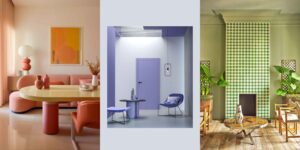
Color is one of the most influential design elements in any space. The colors you choose for your walls, furniture, and accessories can trigger emotional responses that impact your mood. Certain colors have been shown to evoke specific feelings. By thoughtfully incorporating colors into your home, you can create a space that aligns with your desired mood and enhances your overall emotional state. This is a key aspect of “The Psychology Behind Great Spaces”, where design choices help shape your emotional and psychological experience in your environment.
2. Lighting and Its Impact
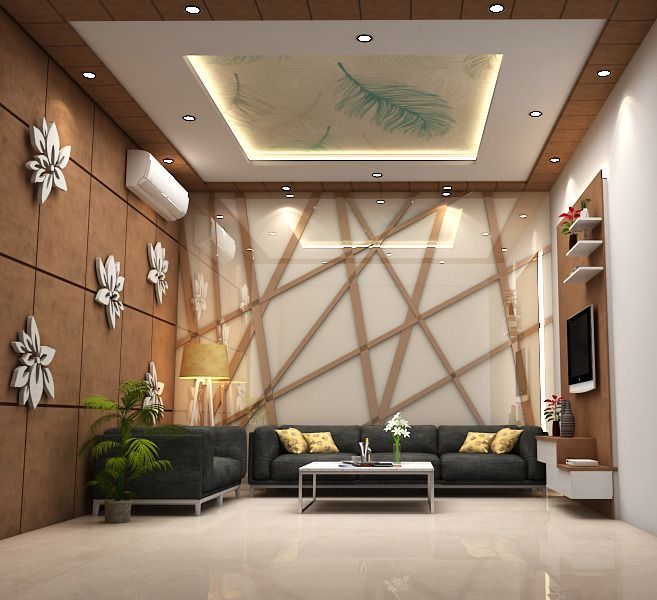
Lighting plays a crucial role in how we feel in a room. The right lighting can make a space feel cozy and inviting, while poor lighting can cause feelings of discomfort and unease. Exposure to natural light is essential for our well-being. Soft, warm lighting creates a relaxed, intimate atmosphere that helps reduce stress. Bright, cool lighting can help with focus and energy. The lighting you choose can completely transform the atmosphere of your home, influencing everything from your productivity to your ability to relax.
3. Furniture Layout and Flow
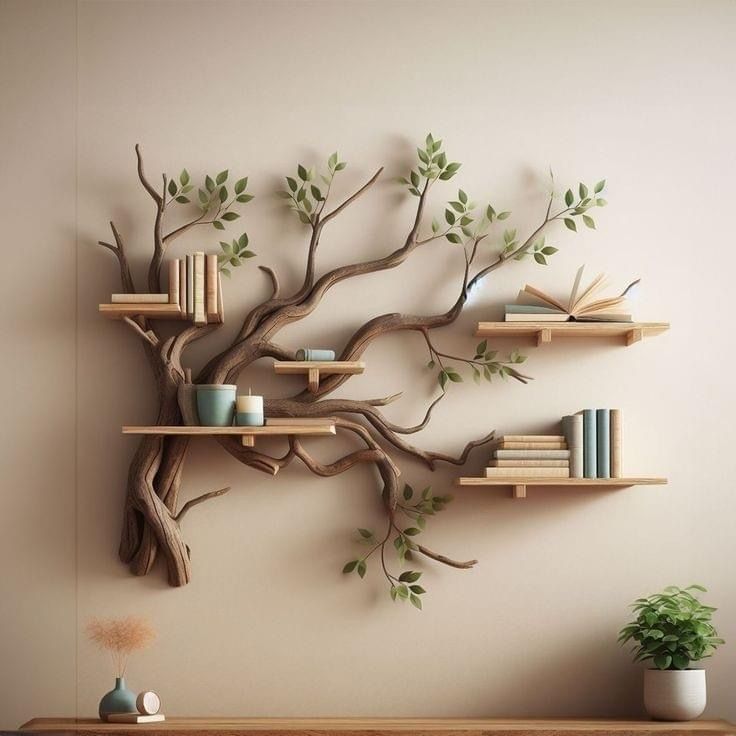
The way furniture is arranged in a room can affect both the functionality and energy of the space. How Design Shapes Our Feelings: The Psychology Behind Great Spaces highlights how an effective layout can promote a sense of harmony and balance, while a poor one may disrupt the room’s natural flow. Avoid placing large furniture in ways that overwhelm the space. Proportionate and balanced arrangements create visual calm and order, enhancing well-being through thoughtful design.
4. Natural Elements and Biophilic Design
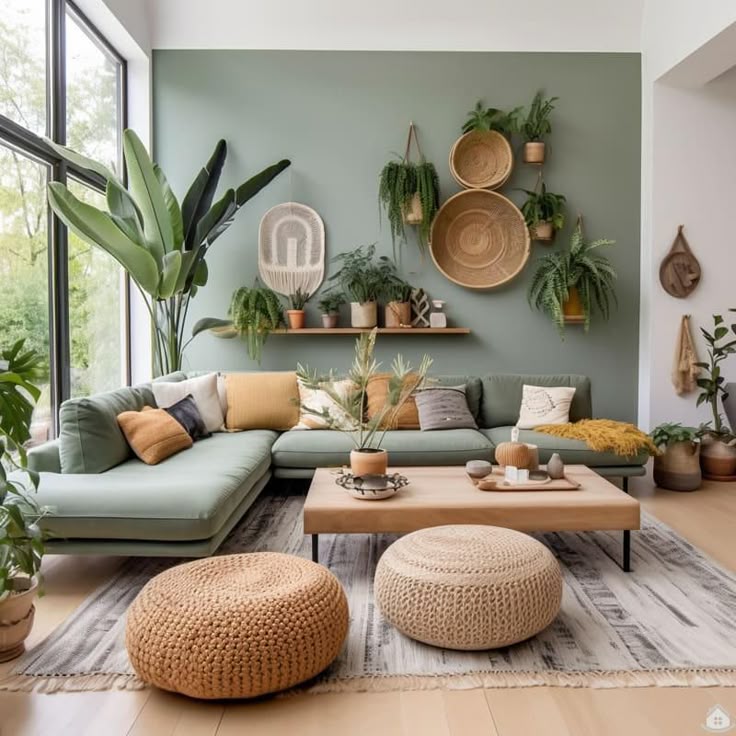
Bringing nature indoors is another effective way to enhance mood. Incorporating plants, natural materials like wood and stone, or nature-inspired décor can have calming effects, reduce stress, and boost creativity. The practice of biophilic design—connecting interior spaces with nature—has been shown to improve mental health and increase feelings of relaxation and well-being.
5. The Role of Personalization

Personalizing your space with meaningful décor, such as family photos, artwork, or sentimental objects, can help foster a sense of comfort and connection. Personal touches make a space feel more “you,” creating a stronger emotional connection to your home. This, in turn, enhances your sense of belonging and comfort within your own environment, which positively impacts your mood.
