
The New Language of Interiors lies at the heart of every eco-friendly interior design movement. It’s a philosophy that draws from nature’s quiet elegance while embracing intentional choices that support sustainable living. In The New Language of Interiors, materials like reclaimed wood, bamboo, and organic fabrics aren’t just aesthetic decisions—they’re conscious steps toward reducing environmental impact. Natural light, indoor plants, and earthy textures combine to create calm, grounded spaces that feel both timeless and personal. More than just a design trend, The New Language of Interiors reflects a way of living—where style meets substance, and every element in your home tells a story of thoughtful, responsible design.
1. Incorporate Indoor Plants
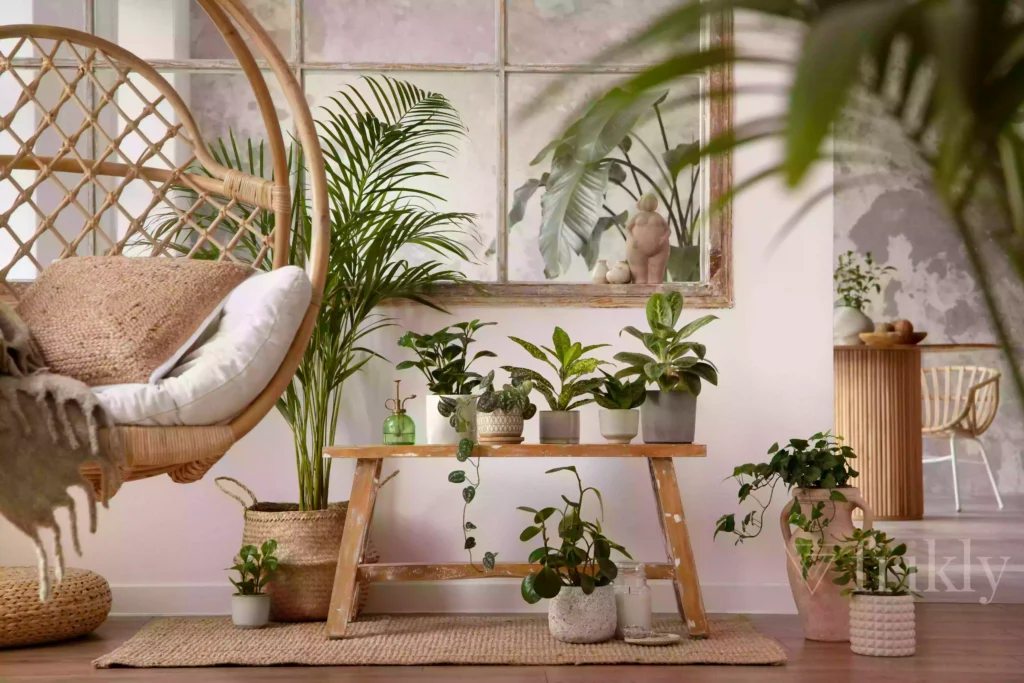
Soft, Organic, Intentional: The New Language of Interiors begins with simple, mindful choices—and one of the most effective is incorporating indoor plants. These green accents are a cornerstone of eco-friendly interior design, offering both aesthetic charm and environmental value. Indoor plants do more than beautify your space; they actively purify the air by absorbing toxins and releasing oxygen, promoting a healthier home. By adding plants, you’re not just decorating—you’re embracing a natural, sustainable approach that connects you with the outdoors and brings a sense of calm to your interiors. In eco-friendly interior design, nature isn’t just an influence—it’s a partner.
2. Choose Quality Over Quantity
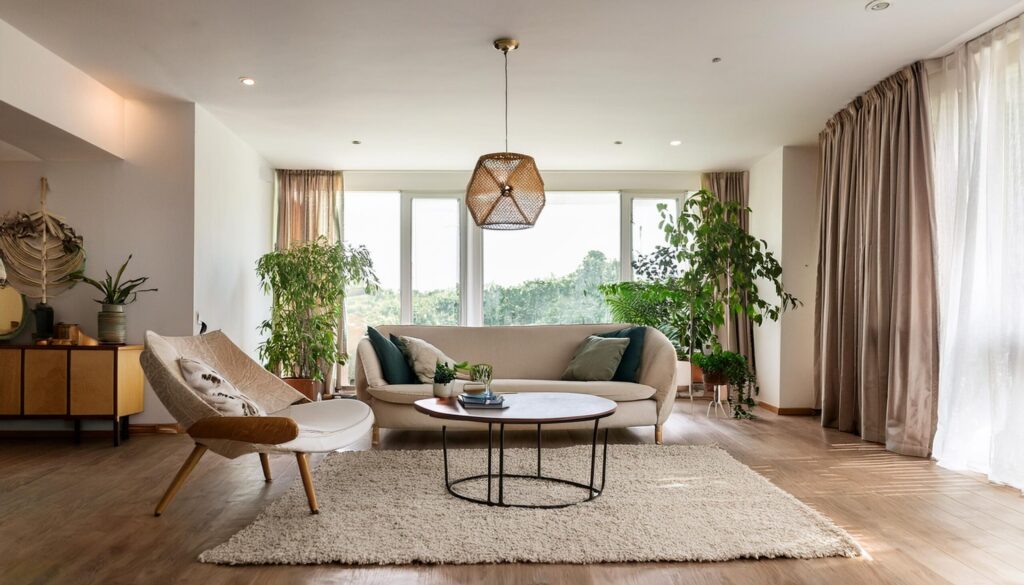
The New Language of Interiors is rooted in the principle of mindful living—starting with how we choose what fills our spaces. A core idea in this movement is to buy less but buy better. Instead of decorating with fleeting trends or mass-produced items, eco-friendly interior design encourages investing in high-quality, timeless pieces that are built to last. Look for furniture crafted through sustainable practices or sourced from brands that value ethical manufacturing. These durable, well-made pieces not only reduce waste but also give your home a lasting elegance that never goes out of style.
3. Design for Energy Efficiency
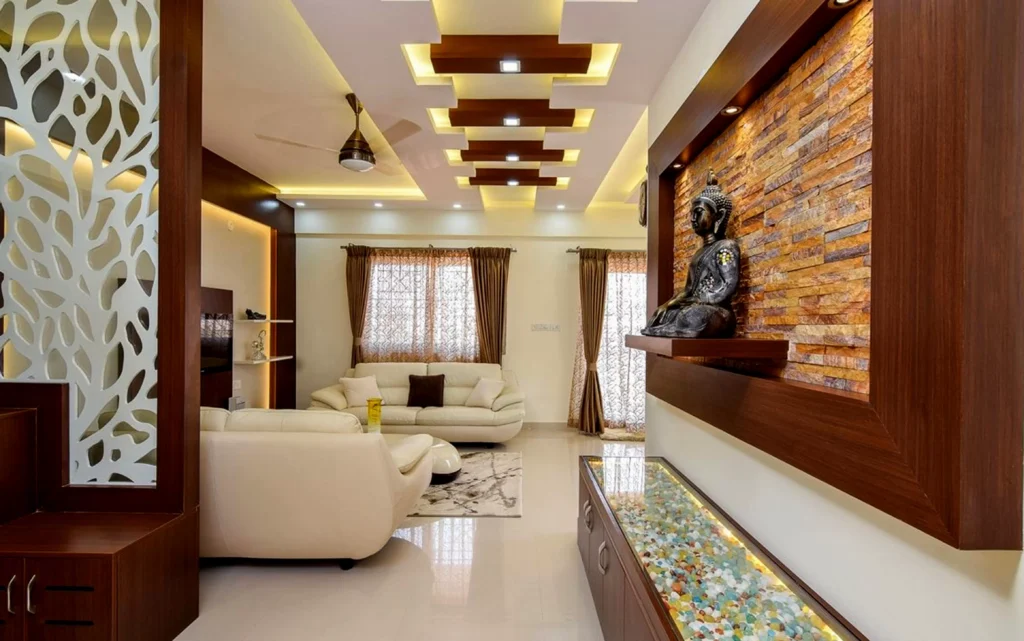
Good design isn’t just about looks—it’s about performance too. Here are a few ways to boost your home’s energy efficiency through design:
1. Insulate properly to keep your home cooler in summer and warmer in winter, reducing energy use.
2. Install energy-efficient windows that minimize heat transfer.
3. Use ceiling fans to improve air circulation instead of overusing air conditioning.
4. Incorporate smart home technology like programmable thermostats and automated lighting to optimize energy consumption.
4. Sustainable Materials
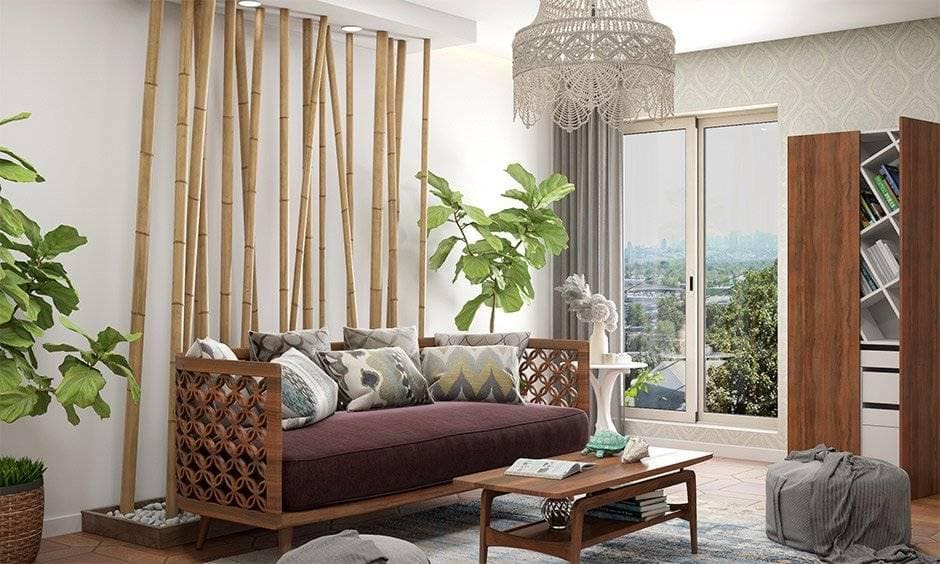
When designing an eco-friendly home, the materials you use are crucial. Opt for materials that are renewable, recycled, or sustainably sourced. Some great options include:
1. Bamboo: A fast-growing, renewable resource that’s perfect for flooring, furniture, and decor.
2. Reclaimed Wood: Using wood from old structures gives new life to materials that would otherwise go to waste.
3. Recycled Metal and Glass: These can be beautifully crafted into countertops, fixtures, and accents.
4. Natural Fabrics: Choose organic cotton, linen, wool, or hemp for upholstery, curtains, and bedding.
