
Hello everyone. don’t you fell like tourism is important as well? In this blog I’m going to show you why I felt the necessity to write this blog, especially for India.
Why Indian Tourism Is Important
India has always attracted visitors from all across the globe because it is a land of
diversity and rich heritage. From the snow-capped peaks of the Himalayas to the
sun-kissed beaches of Goa, from ancient temples to modern metropolises, India has
so much variety that the country will never stop surprising the tourists who venture
here. In this blog post, we’ll discuss the top ten compelling reasons why Indian
tourism is not just imperative; it’s a must-see for any country and the global traveller.
Each one of these reasons is why millions of visitors come to visit this South Asian
gem every year, with India showcasing its uniqueness in one or other aspect of its
attraction.
Rich Cultural Heritage:
India’s rich cultural heritage spans over 5,000 years and influences multiple civilizations. Its diverse traditions, languages, and customs offer tourists a unique experience. Each region, from vibrant markets to tranquil backwaters, has its own flavor. Visitors can witness ancient traditions through dance, festivals, and rituals. India’s cultural impact extends globally through yoga, Ayurveda, and meditation. Tourists can deepen their understanding of these practices by experiencing them in their original surroundings.
Varied Landscapes
The geographical diversity in India is just astounding. From here, one gets almost
every type of landscape that can be imagined—not derogatory to nature lovers and
adventure seekers. This tremendous variety, which furnishes views to gasp at, also
supports a huge range of ecosystems and biodiversity.
It has snow-capped peaks, serene lakes, and strenuous trekking routes through the
mighty Himalayas up north. Western Rajasthan boasts expansive deserts and
majestic forts rising from the sand dunes. The central Indian region has vast
stretches of forests and tiger reserves, while the southern peninsula boasts beaches
with a tropical flavour, serene backwaters, and green hill stations.
Various experiences can be had in each one of these landscapes:
Himalayan treks
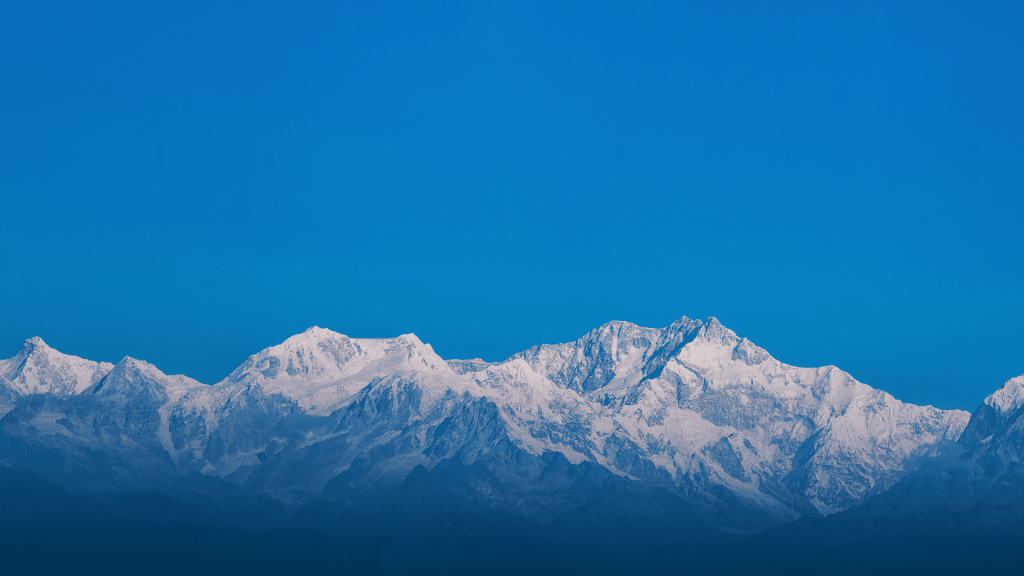
The Himalayas, known as the Roof of the World, are a majestic mountain range in Asia, spanning India, Nepal, Bhutan, China, and Pakistan. They are home to Mount Everest, the highest summit, and offer stunning landscapes. The region is culturally and spiritually significant, with ancient monasteries, temples, and vibrant villages reflecting diverse traditions. The Himalayas are also the source of important rivers like the Ganges and Brahmaputra, crucial to millions in South Asia.
The Himalayas are a haven for adventure enthusiasts and nature lovers alike. The region offers a plethora of activities, from trekking and mountaineering to wildlife spotting and meditation retreats. Trekkers are drawn to legendary routes like the Annapurna Circuit and the Everest Base Camp trek, which offer unparalleled views and challenging terrains. The rich biodiversity of the Himalayas includes rare species such as the snow leopard, red panda, and Himalayan blue poppy. Moreover, the Himalayas play a crucial role in regulating the Earth’s climate and weather patterns. This majestic range, with its towering peaks and serene valleys, stands as a testament to nature’s grandeur, offering solace, inspiration, and adventure to all who venture into its majestic embrace.
Spiritual and Religious Value
India is often called the cradle of spirituality, and for good reason. It is the motherland
of four big world religions: Hinduism, Buddhism, Jainism, and Sikhism. This rich
spiritual heritage makes India an ideal destination for travellers in search of
enlightenment, inner peace, or just a better understanding of different faiths.
There are pilgrimage sites and temples across the land, each having a different
history and significance. Some important examples include:
The Golden Temple in Amritsar
The holiest site of the Sikhs. The Golden Temple, also known as Harmandir Sahib, is a majestic and spiritual epicenter located in Amritsar, Punjab, India. This gurdwara is famous for its stunning golden architecture, which shines brilliantly in the sunlight and reflects beautifully in the surrounding Amrit Sarovar, a sacred pond believed to have healing powers. The temple was founded by Guru Ram Das, the fourth Sikh Guru in 16th century, and its construction was completed under the guidance of his successor, Guru Arjan Dev. The temple’s golden dome and marble walls made with complicated designs and precious stones relating to Sikh architecture’s blend of Islamic and Hindu artistic styles.
It is not only a symbol of spiritual significance but also a beacon of community service and inclusivity. The temple’s langar, a communal kitchen, serves free meals to thousands of visitors daily, regardless of their background or faith, embodying the Sikh principles of equality and selfless service. Devotees and tourists from around the world visit the temple to seek guidance, offer prayers, and experience its serene ambience. The temple complex is particularly captivating during the evenings when it is illuminated, creating a mesmerizing sight. The Golden Temple stands as a testament to Sikhism’s rich heritage, promoting a message of peace, humility, and universal brotherhood.
Bodh Gaya
Located in the Indian state of Bihar, is one of the most revered pilgrimage sites in Buddhism. This sacred town is where Siddhartha Gautama, the Buddha, attained enlightenment under the Bodh Tree over 2,500 years ago. The Mahabodhi Temple, a UNESCO World Heritage Site, stands as a testament to this profound event. The temple complex, with its towering pyramidal spire, is an architectural monument that attracts millions of pilgrims and tourists annually. Within its serene confines lies the revered Bodhi Tree, a direct descendant of the original tree under which Buddha meditated. Surrounding the temple are numerous stupas, shrines, and statues that depict significant moments from Buddha’s life, offering a deep sense of spirituality and tranquility.
Varanasi
Varanasi, also called Kashi or Banaras, is an ancient city on the banks of the Ganges River in Uttar Pradesh, India. It is a sacred place for Hindus, known for its ghats where daily rituals and ceremonies take place. The Dashashwamedh Ghat hosts the famous Ganga Aarti, an evening ritual of offering light to the river. The Kashi Vishwanath Temple, dedicated to Lord Shiva, is a popular pilgrimage site in Varanasi.
Varanasi’s historical and cultural richness is matched by its vibrant everyday life, where ancient traditions seamlessly blend with the rhythms of modernity. The city is renowned for its educational institutions, especially the Banaras Hindu University, which is a center of learning and research. The narrow, winding lanes of Varanasi are lined with bustling markets, selling everything from silk sarees and handicrafts to aromatic street food, reflecting the city’s dynamic and colorful spirit. Additionally, Varanasi is a major center for classical music, dance, and arts, contributing to its reputation as a cultural capital. For those who visit, Varanasi offers a profound and immersive experience, where the sacred and the secular coexist, providing a unique glimpse into the soul of India.
Ajanta and Ellora Caves
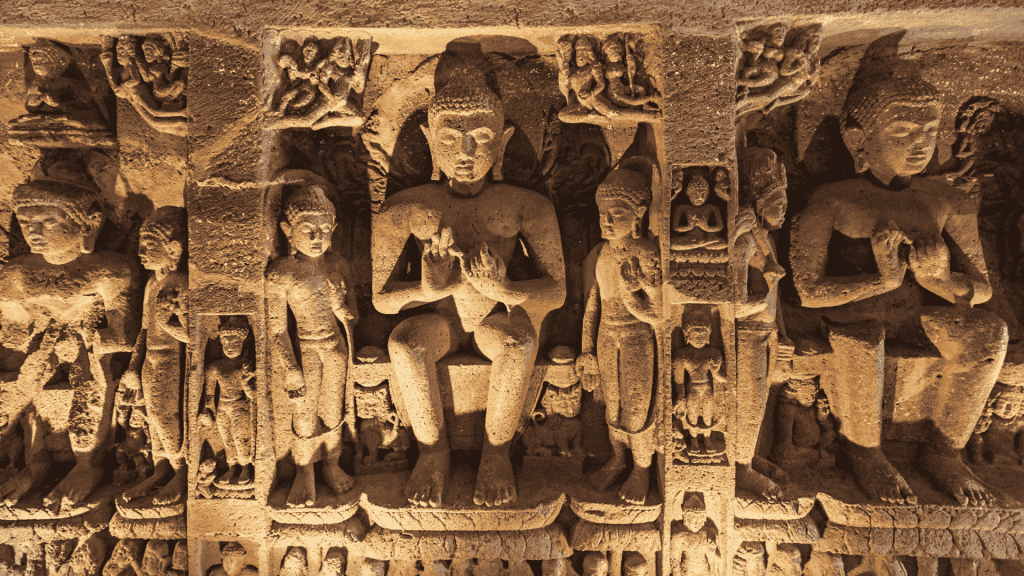
Buddhist, Hindu, and Jain art
These include not only the sites for the devotees but also for the enthusiasts of
religious history, architecture, and philosophy. It is in places like Rishikesh, termed
“Yoga Capital of the World,” with their holy atmosphere that allows visiting people to
experience reality through meditation and yoga practices.
Moreover, the attitude of India toward spirituality, often persuading the ideals of
inclusiveness and tolerance, has valuable lessons to teach interfaith harmony and
personal growth.
Culinary Delights:
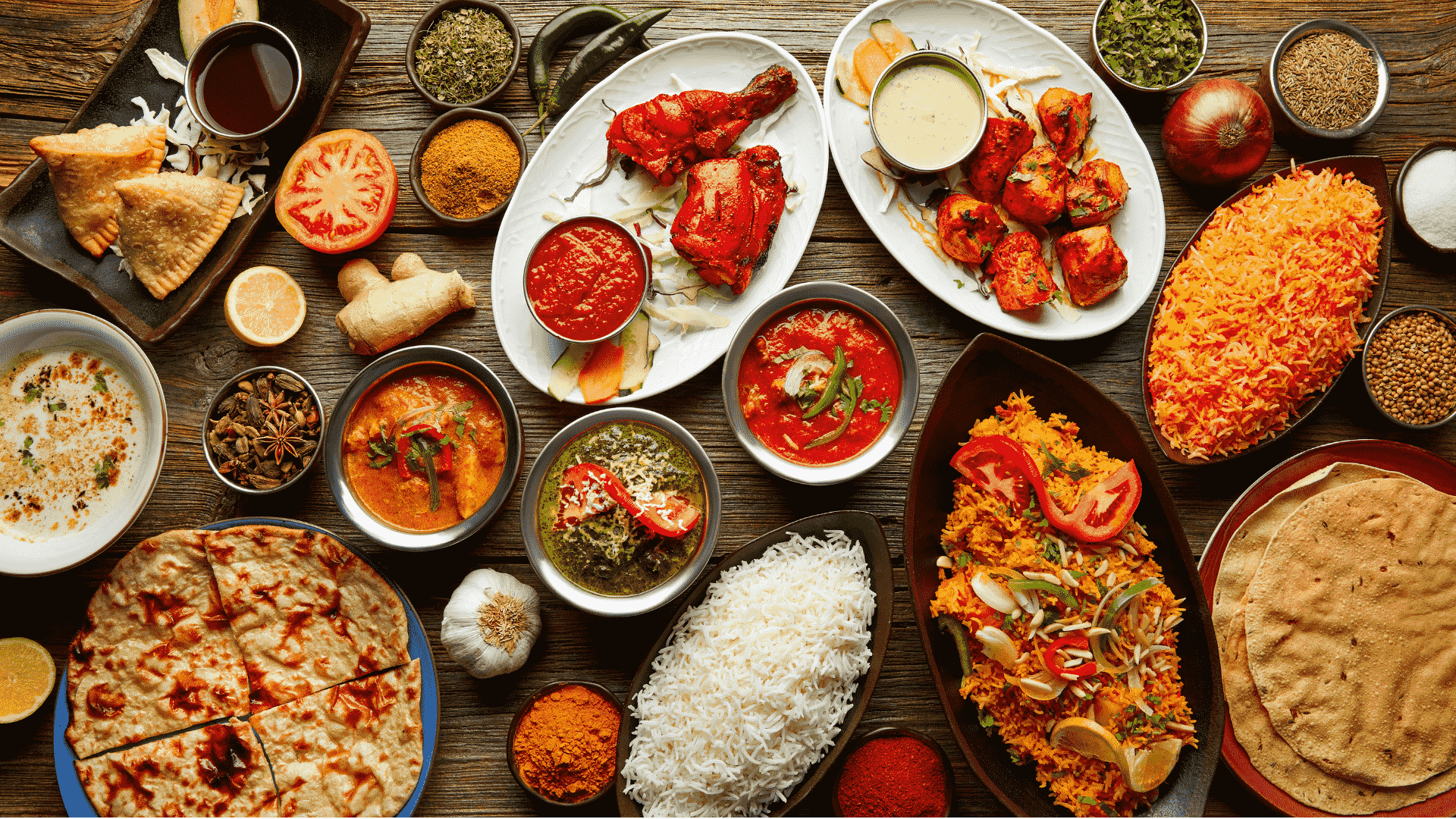
On the global scale, Indian cuisine is related to high flavour values, a wide range of
ingredients, and regional delicacies. For the Indians, food tourism has gained much
more significance than eating out because it signifies history, culture, and traditions
experienced with the help of taste buds.
Starting from local ingredients to climatic conditions and historical influences, each
region in India has its share of cooking traditions. Be it the fiery curries of the South
or rich, creamy dishes of the North, street food, or royal cuisines—Indian food
exposes one to an incredibly wide range of tastes and textures.
Some must-try culinary experiences are:
- Street food in Mumbai or Delhi
- Enjoy a typical Thali meal with several courses all on one plate
- Enjoy vegetarian delicacies of Gujarat
- Taste seafood delicacies in the coastal areas
- Taste Indian and Portuguese fusion cuisine that is Goan
This has been a highlight of the trip to many travellers: taking cooking classes to
learn how to prepare Indian food. Cooking classes or organised food tours are
available in almost all cities that help in understanding how spices should be applied
and the traditional methodology in food preparation and the cultural importance of
different dishes.
The importance of Indian cuisine does not stop at taste alone. It reflects agricultural
diversity, old practices in farming, and the art of using food as medicine—for
instance, Ayurvedic cooking.
For more blogs and updates, join our socials.